
In the world of heavy-duty trucking, downtime is the enemy. For fleet managers and independent operators alike, the calculus is simple: a truck that isn’t moving isn’t making money. While regular oil changes and tire rotations are the baseline of vehicle care, extending the operational lifespan of a work truck requires a more proactive and specialized approach. As vehicles age and accumulate miles, the limitations of mass-produced, off-the-shelf components become increasingly apparent.
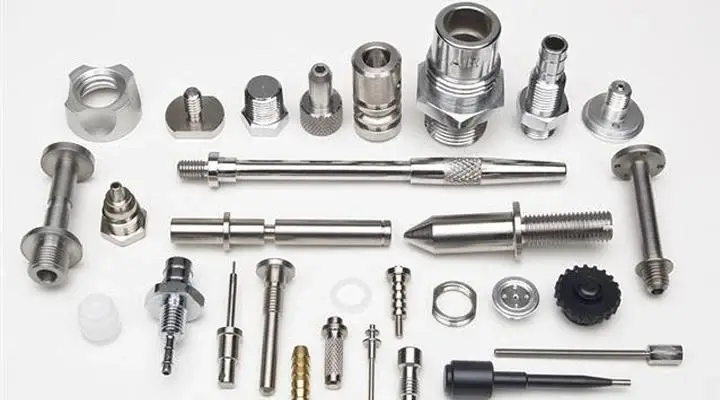
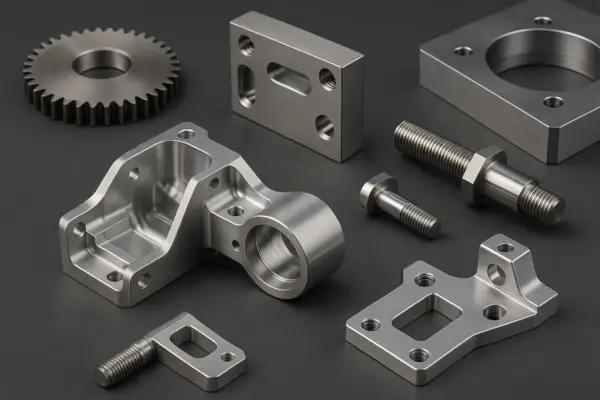
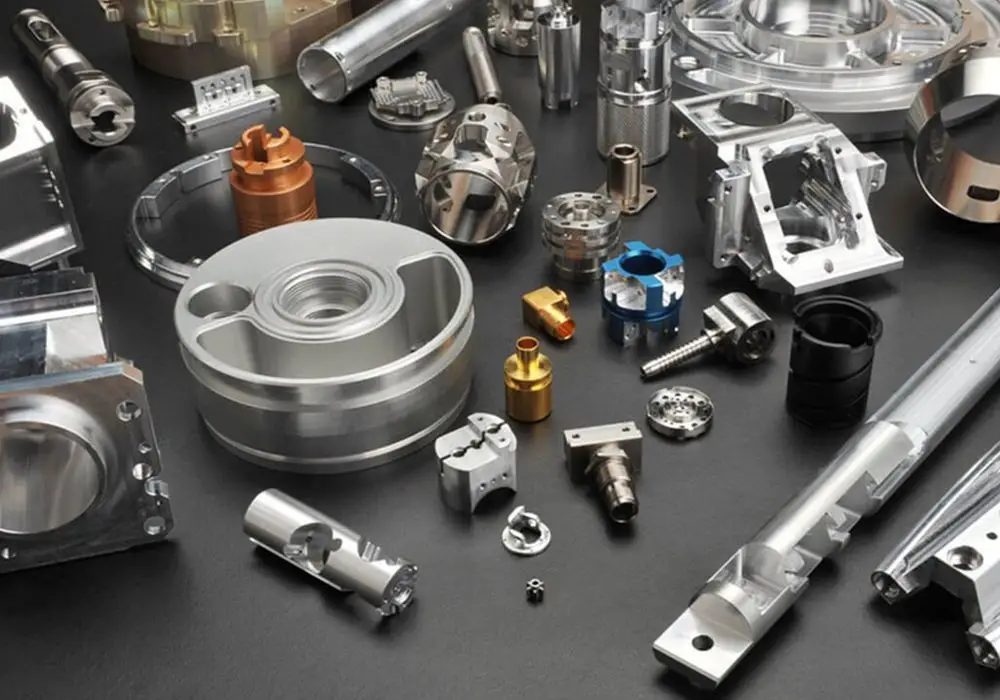
This is where the role of precision engineering becomes critical. Turning to custom-fabricated and precision-machined parts is not merely an exercise in vehicle modification; it is a strategic investment in longevity. By moving beyond the factory standard, owners can address specific points of failure, reinforce structural weaknesses, and adapt the vehicle to the exact demands of its vocation.
The Inevitable Failure of “One-Size-Fits-All” Engineering
To understand the value of custom parts, one must first appreciate the environment in which a work truck operates. Factory components are designed to a price point and a broad set of parameters. They perform adequately under ideal conditions, but the real world is far from ideal.
A truck on a job site or a long-haul route is subjected to a chaotic mix of destructive forces. Vibration is arguably the most insidious enemy. Constant, high-frequency shaking from rough roads or washboard trails can overcome the friction that holds standard nuts and bolts together . This vibrational loosening causes internal latch mechanisms to jam and can even lead to metal fatigue in brackets and mounts not designed for such constant punishment.
Furthermore, the work truck environment is chemically hostile. Road salt in winter, mud, and coastal sea spray create a corrosive cocktail that eats away at standard zinc alloy and plated steel components . When you combine these environmental factors with the torsional stress of a chassis twisting under a heavy load or navigating uneven terrain, the limitations of mass-produced hardware become clear. Stock hinges bind and snap, brackets crack, and fasteners fail because they lack the tolerance required for dynamic, heavy-duty applications .
The Machining Advantage: Restoring and Reinforcing
When standard parts fail or prove inadequate, machining offers a tailored solution that restores not just function, but structural integrity. Precision machining allows for the creation of components that meet exact specifications—tighter tolerances, superior materials, and enhanced geometry. This capability is vital for extending a truck’s life in several key areas.
1. Structural Integrity: Frame and Chassis Reinforcement
The frame is the backbone of any work truck. Over time, carrying oversized or heavy loads can lead to stress fractures, particularly in high-stress areas like crossmembers and suspension mounting points . A cracked frame is a death sentence for a truck if not addressed correctly.
Custom fabrication steps in where welding alone fails. Skilled machining and fabrication involve welding additional reinforcement plates or using box-section inserts to strengthen these weak points. By utilizing heat-treated steel and advanced gusseting techniques, custom work distributes stress more evenly across the structure, preventing warping and cracking . This not only increases the truck’s immediate load-bearing capacity but significantly extends its usable life by ensuring the core structure remains sound.
2. Suspension and Handling: Precision Where It Matters
The suspension system is the first to absorb road shocks, and its health directly impacts the longevity of every other component. Worn kingpins, bushings, and spring hangers can compromise handling, accelerate tire wear, and put undue stress on the drivetrain.
While OEM replacement parts are an option, custom machining allows for upgrades. For instance, repairing a suspension system with a custom-machined mounting surface ensures perfect alignment and fit, eliminating the play that leads to premature wear . Reinforced spring hangers or custom-fabricated shackles can be machined from billet steel or high-grade alloys, offering a durability that stamped factory parts cannot match. By maintaining precise geometry in the suspension, custom parts reduce the cascading effect of vibration and shock on the rest of the truck .
3. Powertrain Preservation
The engine and transmission are monumental investments. When these units require service, the goal is to return them to service with zero compromises. Machining plays a pivotal role here. Re-boring a cylinder, resurfacing a cylinder head, or machining a flywheel are all precision operations that restore components to “like-new” or better condition .
In many cases, waiting for an OEM replacement can mean extended and costly downtime. A custom machining solution can fabricate an adapter, a custom-fit bearing, or a specialized spacer that allows the truck to get back to work immediately, using available components without sacrificing quality or tolerance .
The Material Science of Longevity
The decision to go custom is often driven by the need for better materials. The aftermarket sector has evolved significantly; it is no longer just about off-brand imports but about specialized upgrades built to outperform the original .
Beating Corrosion with Metallurgy
As discussed, corrosion is a primary factor in equipment degradation. However, not all stainless steel is created equal. For components exposed to the elements—like hardware for canopies, bumpers, or exterior toolboxes—material selection is critical. While standard 304 stainless steel is common, it can still develop surface rust in salty environments. For the ultimate in protection, custom parts can be machined from 316 marine-grade stainless steel, which contains molybdenum for superior resistance to chlorides and corrosion .
Preventing Galvanic Corrosion
Experience in custom fabrication also brings an understanding of material interaction. A common mistake is bolting stainless steel hardware directly to an aluminum component without an insulating barrier. This creates a galvanic cell, where the aluminum acts as a sacrificial anode and corrodes rapidly around the mounting points . A knowledgeable fabricator, like those at Gegal Machine Tools, understands these chemical interactions and will utilize isolation washers or specify different material pairings to prevent this type of hidden, structural failure.
Practical Applications: Where Custom Parts Deliver the Most Value
The theoretical benefits of custom parts are best illustrated through real-world applications that directly combat the aging process of a work truck.
1. The Problem of Rattling and Wear in Storage Systems
Custom drawer systems and utility canopies are popular for organization, but they often become a cacophony of noise on rough roads. This rattling isn’t just annoying; it’s a sign of wear. Every vibration that shakes a loose latch or a poorly fitted drawer is fatiguing the metal and the mounting points. Replacing standard latches with heavy-duty compression latches actively pulls the door tight against its seal, eliminating movement and vibration entirely . This simple custom upgrade stops the noise at its source, preventing the physical wear that comes from constant motion.
2. Fluid Management: Custom Tanks
For long-haul operations, range is life. Stopping for fuel costs time, and running out costs everything. A custom fuel tank, fabricated from aluminum or stainless steel, can be designed to fit perfectly in unused chassis space, maximizing fuel capacity without sacrificing clearance . These tanks can also be integrated with lockable toolboxes, creating a combo unit that improves weight distribution by centralizing mass and provides secure, dry storage for essential tools. By reducing the number of fuel stops and securing gear, these custom solutions improve efficiency and protect valuable equipment from theft and weather.
3. Bumpers and Grille Guards
The front end of a truck is its most vulnerable point. A collision with debris or wildlife can result in extensive, costly damage to the cooling system and front-end components, effectively totaling a truck if the repair costs are high enough. A custom-fabricated bumper made from heavy-gauge steel acts as a first line of defense . It absorbs impacts that would otherwise destroy expensive factory plastic and sheet metal. Furthermore, it provides a rigid mounting platform for LED lighting, improving visibility and safety during night operations, which in turn prevents accidents .
Implementing a Strategy of Longevity
Extending the life of a work truck through custom parts is not about a single modification; it is a philosophy of proactive care. It involves identifying the points where the vehicle is most vulnerable and reinforcing them before they fail.
This strategy requires a partner with deep expertise. It’s crucial to work with a machine shop and fabrication expert who understands the difference between residential-grade hardware and industrial-grade components. They should be fluent in the language of stress, load, and metallurgy. As the team at Gegal Machine Tools knows, building a truck that lasts isn’t about buying the most expensive gear; it’s about selecting and engineering components that are designed to survive the specific environment in which the truck operates.
From using thread-locking compounds on every fastener subjected to vibration, to utilizing backing plates that distribute stress over a wider area, the details matter . By embracing these details through precision custom parts, fleet owners can effectively halt the clock on their vehicles, ensuring that their work trucks remain reliable, safe, and productive assets for years beyond their planned lifecycle. In an era of rising equipment costs, this isn’t just maintenance—it’s smart business