
Time is money in any manufacturing business. For shop owners and production managers in Mississauga, every minute spent waiting for a custom part means delayed orders and unhappy customers.
Two modern methods dominate the custom parts industry today. One is CNC machining. The other is 3D printing. Both can make high-quality parts. But they work very differently.
The question many local shops ask is simple. Which one saves more time?
This article from Gegal Machine Tools gives you a clear answer based on real working conditions. You will learn when to use each method and how to avoid common mistakes that waste hours.
What Is CNC Machining?
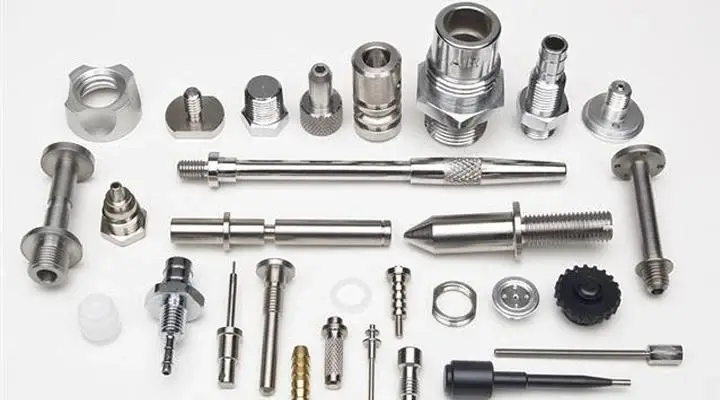
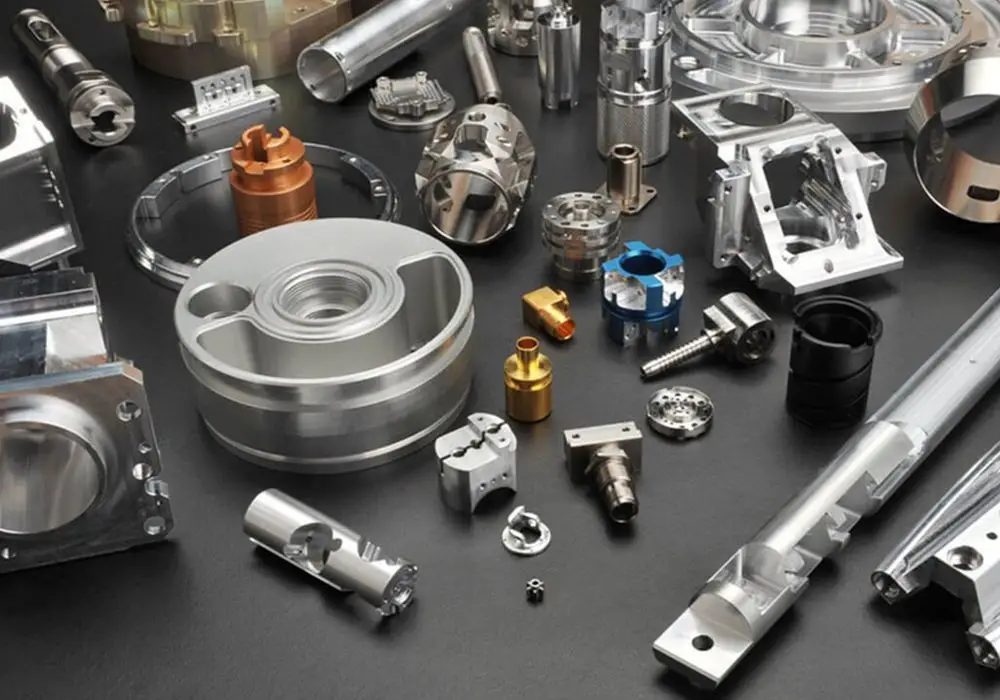
CNC stands for Computer Numerical Control. A CNC machine starts with a solid block of material. It could be aluminum, steel, brass, or plastic. Then a spinning cutting tool removes material layer by layer until the final part remains.
Think of it like carving a statue from a stone block. You remove everything that does not belong.
CNC is a subtractive process. It has been around for decades and is trusted by industries everywhere. Mississauga has many job shops and factories that rely on CNC every day. Gegal Machine Tools specializes in this method for local businesses.
What Is 3D Printing?
3D printing works in the opposite direction. It builds parts from nothing. A machine deposits thin layers of plastic, resin, or metal powder one on top of another. Slowly, a part rises from the build platform.
This is an additive process. There is no cutting or waste material. The printer follows a digital file and creates exactly what you designed.
3D printing became popular for prototyping. In recent years, it has also entered low-volume production.
The Time Truth: No Single Winner
Neither method is always faster. The winner depends entirely on what you need to make and how many pieces you require.
Let us break this down into three common situations faced by Mississauga shops.
Situation One: You Need One Simple Replacement Part
Imagine a bracket on a packaging machine broke. The original supplier says three weeks for delivery. Your line is stopped. You need one replacement part immediately.
CNC wins here.
A skilled machinist at Gegal Machine Tools can pull up the drawing, program the toolpath, and cut the part from solid metal in a few hours. By the end of the day, you have a working bracket. It fits perfectly because CNC holds very tight tolerances. It handles the same load as the original because it is made from identical material.
3D printing would take longer in this case. A printer might need eight to twelve hours just to build the part. Then you must remove support material. Then you may need to drill holes or smooth surfaces. A simple CNC job often finishes before the printer is halfway done.
Situation Two: You Are Testing Multiple Design Ideas
Suppose you are designing a new handle for a tool. You want to test five different shapes. You need physical parts to hold and try.
3D printing wins here.
You change the digital model and hit print. Four hours later, you have a new handle to test. The next day, you try another shape. By the end of the week, you have tested all five versions.
CNC would be slower and more expensive. Each design change requires new programming and new setup. A simple shape change that takes five minutes to print might take two hours to reprogram on a CNC machine. For design exploration, 3D printing saves days of work.
Situation Three: You Need Fifty Identical Production Parts
A customer ordered fifty identical mounting plates. All must be identical. Delivery is due in two weeks.
CNC wins again.
Once the machine at Gegal Machine Tools is set up, it will produce part after part with perfect consistency. Each piece takes maybe ten minutes. The machinist can run other work while the machine operates. All fifty parts will be finished in one shift.
3D printing struggles with quantity. If one part takes four hours to print, fifty parts would take two hundred hours. That is more than eight days of continuous printing. And each part may vary slightly because printers drift over long runs. For batches larger than about fifteen pieces, CNC is always faster.
Hidden Time Costs People Forget
Many articles compare only the time the machine is running. That is misleading. You must look at the whole journey from file to finished part.
Setup Time
CNC requires programming and tool selection. A complex part might need one hour of setup. A very simple part needs fifteen minutes.
3D printing setup is usually faster. Load the file. Choose settings. Start the print. Often under ten minutes.
Advantage: 3D printing
Post-Processing Time
This is where 3D printing loses its lead.
A part fresh from a CNC machine is usually ready to use. Surfaces are smooth. Holes are already the correct size. Threads are cut.
A 3D printed part almost always needs extra work. You must snap off support structures. You may need to sand rough layer lines. Holes often need drilling or reaming to the correct diameter. Metal prints require heat treatment.
A part that printed in four hours might need another two hours of hand finishing. The CNC part that took three hours to machine is already installed.
Advantage: CNC machining
Material Availability Time
CNC shops keep common materials in stock. Aluminum, steel, and engineering plastics are on the shelf. Work can start immediately. Gegal Machine Tools maintains a wide inventory for this reason.
3D printing filaments and resins are more specialized. If you need a strong engineering plastic like nylon or PEEK, you may wait days for material delivery.
Advantage: CNC machining
The Number That Matters: The Break-Even Point
Through years of shop experience, a practical rule has emerged.
For quantities of one to about fifteen pieces, 3D printing is often faster. The low setup time wins.
For quantities above fifteen pieces, CNC machining becomes faster. The per-part production time is simply much lower.
This break-even point varies with part complexity. A tiny simple part might break even at fifty pieces. A large complex part might break even at five pieces. But fifteen is a good working number for most custom parts.
What Mississauga Shops Should Consider
Your location matters. Mississauga has a dense industrial network. Shops near Dixie Road, Matheson Boulevard, or Courtney Park have access to multiple suppliers.
Local CNC Advantage
When you work with a local CNC provider like Gegal Machine Tools, a simple part ordered in the morning can be ready by afternoon. You drive ten minutes and pick it up. No shipping delays. No courier costs.
For production runs, local CNC means you can inspect parts as they come off the machine. If a dimension is wrong, you know immediately. Changes happen in hours, not days.
When 3D Printing Still Makes Sense
Despite CNC being faster for many jobs, 3D printing has its place.
Use 3D printing for prototypes that only need to look right and fit loosely. Use it for one-off parts with impossible geometries that cannot be machined. Use it when you are still changing the design daily.
But for production parts that must work reliably, most Mississauga shops return to CNC.
A Simple Decision Guide
Ask yourself four questions before choosing a method.
Question One: How many parts do you need?
If the answer is one to ten, consider 3D printing.
If the answer is more than fifteen, choose CNC.
Question Two: What material is required?
If you need structural metal like steel or aluminum, choose CNC.
If basic plastic is acceptable, consider 3D printing.
Question Three: How accurate must the part be?
If tolerances are tighter than a sheet of paper thickness, choose CNC.
If rough fit is acceptable, consider 3D printing.
Question Four: Is this a final production part or a test?
If it is a final part going to a customer, choose CNC.
If it is a rough prototype for internal testing, consider 3D printing.
Common Time Wasters to Avoid
Many shops waste days by choosing the wrong method.
Mistake One: Printing parts that need high strength. The part fails in service. You redo the job on a CNC machine. Total time doubles.
Mistake Two: Machining parts that are still being redesigned. Each design change requires new programming. You spend more time programming than making parts.
Mistake Three: Ignoring post-processing time. A printed part that looks finished often needs hours of sanding and drilling. Always add finishing time to your estimate.
Mistake Four: Waiting for in-house printing instead of ordering CNC. Your office printer might be busy. A professional CNC shop like Gegal Machine Tools can often deliver faster than your own machine.
The Final Answer
For most custom parts needed by Mississauga shops, CNC machining saves more time.
Here is why.
CNC parts come off the machine ready to install. No sanding. No support removal. No second operations. The material is solid and strong. Tolerances are precise. Fits are correct.
3D printing saves time only in the earliest stages of design when you are making many changes. Once the design is fixed, and certainly once quantity exceeds fifteen pieces, CNC is the faster path to a working part.
The most time-efficient shops do not pick one technology forever. They use 3D printing for initial exploration. Then they switch to CNC for final parts and production runs.
Getting Your Custom Parts Fast in Mississauga
You do not need to own a CNC machine to benefit from its speed. Working with an established local provider gives you access to professional equipment without the capital investment.
Gegal Machine Tools serves manufacturers across Mississauga with fast turnaround on custom CNC parts. From emergency repairs to production quantities, the focus is always on getting you a working part as quickly as possible.
When your line is stopped or your customer is waiting, every hour matters. Choosing the right manufacturing method from the start saves days of delay.
The next time you need a custom part, ask the quantity question first. Then let that number guide your choice.