What we do
- Measuring and modelling from an existing part
- CAD drawings produced from a worn or broken sample
- Obsolete parts no longer supported by the manufacturer
- Design work where no original ever existed
- 3D machining from the finished model
- Prototypes and first articles before committing to a run
- Design and build of custom equipment
What makes it work
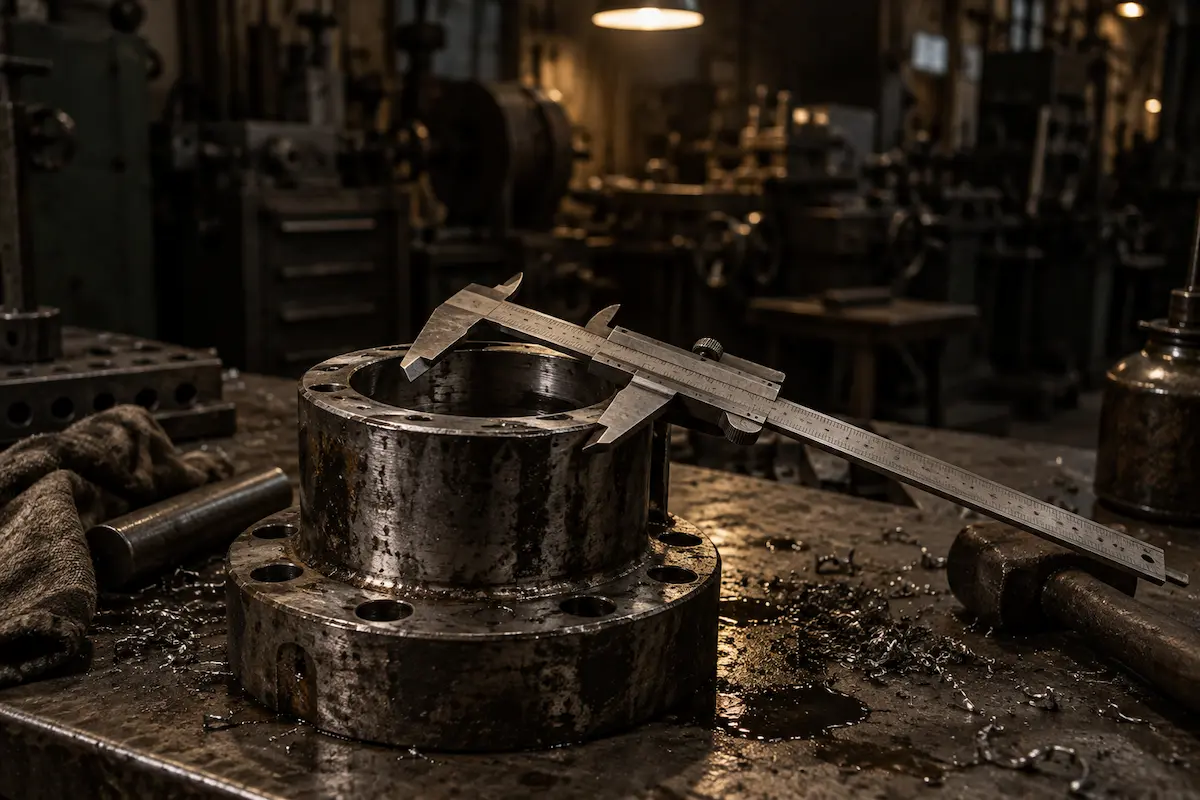
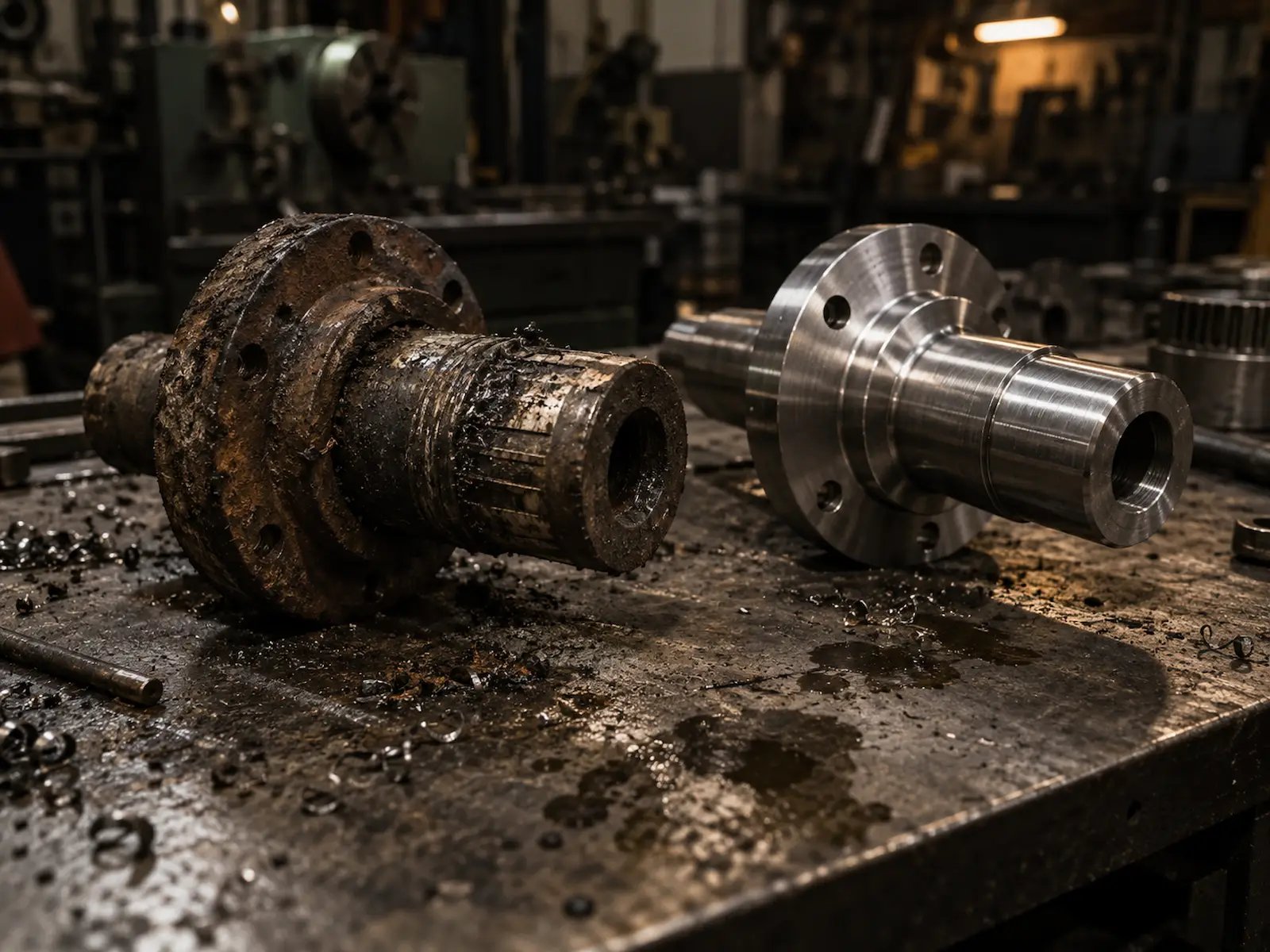
We work from what's left
Worn, broken or in pieces — usually there's enough to work out what it was. Bring what you have and we'll tell you honestly if it isn't enough.
Measuring and machining under one roof
The person modelling the part is in the same building as the machine that cuts it, so problems get caught at the drawing stage.
The drawing outlives the job
Once it's modelled, the next one is a reorder rather than a project. That's the real value of doing it properly the first time.
Industries we work with
How a reverse engineering job runs
Bring us what you have
The worn part, the broken pieces, or the assembly it fits into. Photos with a ruler in shot are a good start.
We measure and model it
Dimensions taken from the original, then built up in CAD — including working out what it looked like before it wore.
You approve the drawing
We'll flag anything we've had to interpret, and any change worth making if the original was a weak point.
We machine it
First article first if it matters, then the rest. The model stays on file so the next one is straightforward.
Improving on the original
If a part keeps failing in the same spot, copying it exactly just repeats the problem. We'll suggest a change in material or geometry where it's worth making — and say so when it isn't.
Common questions
How much of the original part do you need?
Less than people expect. A worn part is fine — wear patterns tell us what the original dimensions were. Even a broken part usually works, especially if you have both halves and the assembly it came out of.
What if the part is completely gone?
Harder, but not always impossible. If we can measure what it fitted into, and you can describe what it did, there's often enough to work from. Bring the machine part if you can.
Can you make it better than the original?
Often. If a part failed in the same place more than once, that's a design or material problem rather than bad luck. We'll tell you what we'd change and why, and let you decide.
Do you make just one, or a batch?
Either. Once the model exists, one or fifty is a scheduling question rather than a design one. A lot of customers order a spare at the same time so the next failure isn't urgent.
Where are you located?
Our shop is at 1075 Meyerside Drive, Unit 10, Mississauga. We're open seven days a week and walk-ins are welcome.